
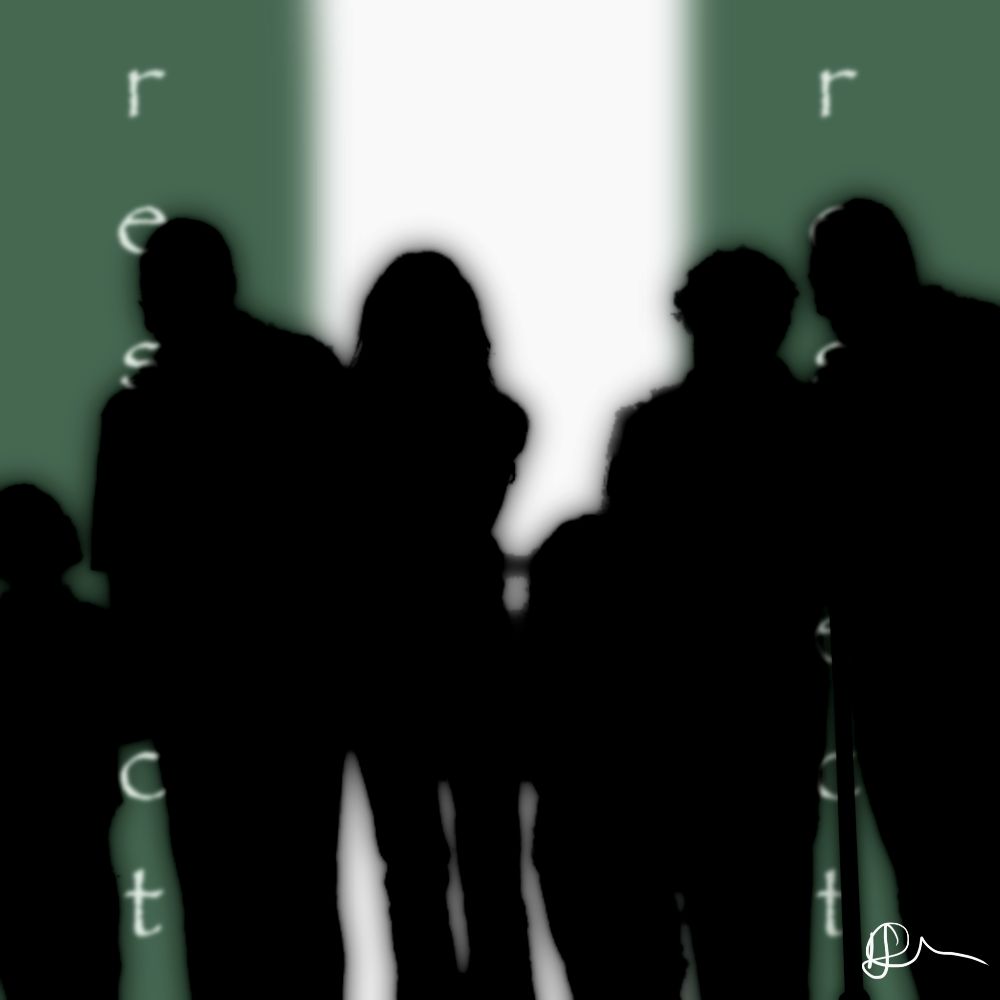
(I Mean No Disrespect #4)
This is the fourth and final instalment in a series examining Yoruba respect culture.
In “I Mean No Disrespect” I gave an introduction and provided some background on what Yoruba respect looks like. In The Origins of Respect, I explored where the traditions came from. Then, last week, I looked into whether we are starting to see the rise of a disrespectful generation.
I’m not sure whether anyone enjoyed reading the series, but it was such a fun little project for me to dive into.
Initially, I planned to make this entry a full circle moment and finally finish writing the post that started this all, delving into the imprints that the Yoruba respect culture left on me and my conduct in adult life; some good, some bad. But I don’t feel like doing that.
Honestly, I doubt that the original post will ever see the light of day.
Instead, I want to close out with an old Yoruba proverb. When questioning people about respect, it came up in quite a few of my conversations.
Ọmọde gbọn, agba gbọn la fi da Ilẹ Ifẹ
It is an adage about community wisdom, conveying that it is the wisdom of both the old and young that is at the core of Ilẹ Ifẹ * (creation).
It’s a simple but often forgotten truth.
Age can be a powerful divider
It is very easy to be dismissive of those who came before. It’s easy to call their views dated and throw blame at them for causing all the issues we are now having to deal with today: from wars to environmental problems, to increasing political and economic instability.
Conversely, the voices of the youth can be silenced under the pretense of being “respectful”. They are brushed off and cast aside. Too naive, too inexperienced. What do they know of the world?
There is a wealth of wisdom to be found in people of all ages, and when combined incredible impact can occur.
But for this intergenerational collaboration to take place, there needs to be an underlying respect.
A mutual respect.
Something that goes beyond fanciful greetings and a lack of eye contact. It is a care and consideration for the needs and feelings of others.
By no means am I saying that this is not possible to achieve while still upholding some old-school traditions that contribute to the beauty and colour of Yoruba culture. Traditions are a window into our history and help tell the story of how we got to where we are today. There is value to be found in preserving some of them. However, we cannot live in the past.
We have to act in a way that honours and esteems one another in the here and now. Respect should not be repressive, but instead, facilitate relationships, not create barriers.
Through these relationships, community is grown, lessons are learned and wisdom is shared. This allows us to build a better tomorrow.
At least that’s what I think.
Ọmọde gbọn, agba gbọn la fi da Ilẹ Ifẹ
*According to Yoruba mythology Ilẹ Ifẹ (a.k.a. Ife) is the place of creation, where all the gods descended from the heavens to create the world as we know it.